Showing posts with label preventive dentistry. Show all posts

Friday, 19 February 2016

How Often Should a Senior Citizen Go to the Dentist?

Learn what the American Dental Association's answer is to the question: "How Often Should a Senior Citizen Go to the Dentist?".


The above video is found on the American Dental Association YouTube Channel.

Millcreek Family Dental 
Dr. Anthony J. Baird, DDS
1455 South 500 West, Suite D
Bountiful, UT 84010
Phone: (801) 292-4009
Website: www.DrBaird.com

Thursday, 16 July 2015

Diabetes and Your Mouth # 1 : 4 Signs You May Have a Problem

Diabetes puts you at risk for dental problems. It impairs the ability to fight bacteria in your mouth. Having high blood sugar encourages bacteria to grow and contributes to gum disease. You may have gum disease if you have:

  • Gums that are red, sore, bleeding, or swollen, or that pull away from your teeth
  • Loose teeth
  • Chronic bad breath
  • An irregular bite or dentures that don't fit well

The above article is from: WebMD.com

Millcreek Family Dental 
Dr. Anthony J. Baird, DDS
1455 South 500 West, Suite D
Bountiful, UT 84010
Phone: (801) 292-4009
Website: www.DrBaird.com

Tuesday, 19 May 2015

Scaling And Root Planing: Professional Plaque Removal

Perhaps you’ve been neglecting a good oral health routine. Or, you’ve done your best, but you’ve developed plaque and tartar buildup. A regular routine of twice-daily tooth brushing and daily flossing is an important part of regular plaque removal for everyone. But if you have risk factors that have caused a buildup of plaque on your teeth and gums to harden into tartar, your dentist or dental hygienist may suggest scaling or root planing your teeth to remove the buildup. If left untreated, severe tartar buildup along and under the gum line can cause the gums to pull away from the teeth, which may increase the risk of gum disease.

Scaling and root planing are common nonsurgical techniques that may prevent the need for more serious procedures, such as periodontal surgery or a root canal.

Here’s what to expect if your dentist or dental hygienist recommends these techniques:

  • You won’t feel it. You’ll receive a local anesthetic to numb the area.
  • Scaling: Your dentist or dental hygienist removes plaque and tartar from the areas both above and below the gum line.
  • Root Planing: Your dentist or dental hygienist uses special tools to smooth rough spots on the tooth roots. This process not only removes bacteria and helps reduce plaque buildup, but it provides a smooth surface for gums to reattach to the teeth.

After a scaling and root planing procedure, be sure to follow your dentist’s instructions and maintain an oral care routine of twice-daily tooth brushing and daily flossing. If your gums are sensitive after the procedure, try a spongy floss, such as Oral-BÆ Ultra FlossÆ, to help prevent painful flossing.

The above article is from: OralB.com

Millcreek Family Dental 
Dr. Anthony J. Baird, DDS
1455 South 500 West, Suite D
Bountiful, UT 84010
Phone: (801) 292-4009
Website: www.DrBaird.com


Thursday, 19 March 2015

Girl's Sports Mouth Injuries

Learn more about what the American Dental Association has to say about mouth injuries due to sports.


The above video is found on the American Dental Association YouTube Channel.

Millcreek Family Dental 
Dr. Anthony J. Baird, DDS
1455 South 500 West, Suite D
Bountiful, UT 84010
Phone: (801) 292-4009
Website: www.DrBaird.com

Tuesday, 5 August 2014

Good Food for Dental Health: Water

Water Rules
 
Water, especially fluoridated water, is the best beverage for maintaining your oral health. That's because fluoride helps to make teeth more resistant to the acid attacks that can cause cavities. As of 2012, nearly 75 percent of the U.S. population had access to fluoridated water, so drinking water from your own kitchen sink can help prevent dental problems.


Above article from: MouthHealthy.org

Millcreek Family Dental 
Dr. Anthony J. Baird, DDS
1455 South 500 West, Suite D
Bountiful, UT 84010
Phone: (801) 292-4009
Website: www.DrBaird.com

Monday, 2 June 2014

What are the Stages of Gum Disease?

What is Gum Disease?
Gum disease is an inflammation of the gums that can progress to affect the bone that surrounds and supports your teeth. It is caused by the bacteria in plaque, a sticky, colorless film that constantly forms on your teeth. If not removed through daily brushing and flossing, plaque can build up and the bacteria infect not only your gums and teeth, but eventually the gum tissue and bone that support the teeth. This can cause them to become loose, fall out or have to be removed by a dentist.
There are three stages of gum disease:

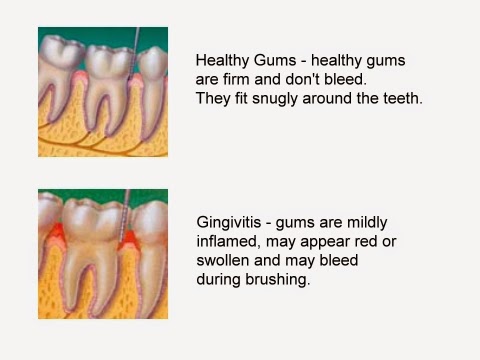
  • Gingivitis: this is the earliest stage of gum disease, an inflammation of the gums caused by plaque buildup at the gumline. If daily brushing and flossing do not remove the plaque, it produces toxins (poisons) that can irritate the gum tissue, causing gingivitis. You may notice some bleeding during brushing and flossing. At this early stage in gum disease, damage can be reversed, since the bone and connective tissue that hold the teeth in place are not yet affected.
  • Periodontitis: at this stage, the supporting bone and fibers that hold your teeth in place are irreversibly damaged. Your gums may begin to form a pocket below the gumline, which traps food and plaque. Proper dental treatment and improved home care can usually help prevent further damage.
  • Advanced Periodontitis: in this final stage of gum disease, the fibers and bone supporting your teeth are destroyed, which can cause your teeth to shift or loosen. This can affect your bite and, if aggressive treatment can't save them, teeth may need to be removed.

Read the rest of the article at Colgate.com to learn more about how to know if you have gum disease and how gum disease is treated.


The above article is from: Colgate.com

Millcreek Family Dental 
Dr. Anthony J. Baird, DDS
1455 South 500 West, Suite D
Bountiful, UT 84010
Phone: (801) 292-4009
Website: www.DrBaird.com

Monday, 26 May 2014

Sports Safety: Avoiding Tooth and Mouth Injuries

A few years ago, a dental newsletter published what seemed like an unusual story. A boy snagged his teeth on a basketball net while doing a slam-dunk.
A freakish accident? Not quite. After the article appeared, nearly 40 dentists wrote in with their own stories. They all told of would-be Michael Jordans who sacrificed their front teeth in pursuit of the perfect dunk.
In older children and adults, sports injuries are common. Dentists estimate that between 13% and 39% of dental injuries occur while playing sports.
About 80% of all dental injuries affect at least one of the front teeth. Damage to the tongue or cheek is common, too.
 

Basic Protection
Even if a tooth has been knocked out, it often can be saved if you get to a dentist quickly enough. Minor chips and cracks can be repaired. Dentists use tooth-colored materials that are nearly as strong as the original tooth. However, even "minor" injuries can cause serious and costly damage. If you enjoy sports or other high-risk activities, protect yourself. The use of mouth guards among football players, for example, is believed to prevent about 200,000 mouth injuries a year.
Depending on the sport, two types of protection are available:

  • Helmets- A helmet is a must for activities that involve speed or impact. These include football, hockey, skating and bike riding. The helmet should fit correctly. It should also be appropriate for the sport you are playing.
  • Mouth guards - Wearing a mouth guard is one of the best ways to prevent injury to your teeth, tongue and lips. A custom-fit mouth guard from your dentist is recommended. This type of mouth guard usually fits better than a ready-made one (found in sporting-goods stores). That means it may protect your teeth better.
If a custom-fit mouth guard isn't an option, try a "boil-and-bite" mouth guard. You can buy one in a sporting-goods store. You place the mouth guard in boiling water. Once the plastic is soft (but not too hot), you bite down on the mouth guard and mold the softened plastic around your teeth. If the mouth guard doesn't fit comfortably the first time, you can reheat it and do it again.

©2002-2013 Aetna, Inc. All rights reserved.
09/25/2013

The above article is from: Colgate.com


Millcreek Family Dental 
Dr. Anthony J. Baird, DDS
1455 South 500 West, Suite D
Bountiful, UT 84010
Phone: (801) 292-4009
Website: www.DrBaird.com

Wednesday, 4 December 2013

Children's Dentistry

 Our Care for Your Children
Children's Dentistry Bountiful UT Each team member in our office will ensure your children will be at ease to enjoy their visit. With the latest advances in dentistry, we deliver each treatment with care and compassion. This includes teaching your children proper care of their teeth and gums, so they will keep their natural teeth for a lifetime. As we watch them grow and change, they'll enjoy their visits to maintain good health and keep a happy, healthy smile.

No More Dental Fears – No Kidding!
We want to ensure that future generations of children will not have fear of dental visits. Our happy parents have told us we are achieving those goals! No matter if you have an active three-year-old or a scared eight-year-old, we can help to relieve their fears and make them feel happy to come to our office.

Kids Dental Care Bountiful UT
Choosing Your Child’s Dentist for Good
Dental Health

Children’s teeth are more susceptible to cavities during formative years for many reasons. That is why it is important to instill good dental and nutrition habits at a young age before permanent teeth are damaged from decay.

As children do not always brush well by themselves, it is important that parents maintain and observe their daily dental care. This helps to create good dental habits for years to come.

Kids tend to eat throughout the day, which prolongs the exposure of their teeth to the acids in the food. This makes them more prone to the development of cavities. If a tooth is already not as clean as it needs to be, more contact with food and drink will increase the rate of decay. A child who is taught good dental and dietary habits early in life, plus applications of a fluoride varnish to mineralize teeth, can greatly reduce the chance of having cavities develop.


Millcreek Family Dental 
Dr. Anthony J. Baird, DDS
1455 South 500 West, Suite D
Bountiful, UT 84010
Phone: (801) 292-4009
Website: www.DrBaird.com
Gum Health


Gum Disease Treatment Bountiful UTGum Disease is the Primary Reason for
Tooth Loss

Most people seem to think that the main reason for tooth loss is decay. But it is periodontal disease (infected gums). Often times, it is not treated until it has reached advanced stages, as signs may not be present. Symptoms that do occur may be bleeding gums while brushing or flossing and loose teeth. If previously you have been told you need gum surgery, let us assess the state of your gums, as it is possible we can reverse the infection through nonsurgical methods.

Heart Disease - Gum Disease Treatment
Other Serious Health Problems May Result from
Gum Disease

It has been estimated by the American Dental Association that most Americans have periodontal disease at some level. Dentists regard this problem as a health epidemic. From the findings of recent medical research, it has been proven there is a link between gum disease and stroke, diabetes, and heart disease. The American Academy of Periodontology confirms that gum infections add to the development of serious health afflictions with the heart, diabetes, stroke, or respiratory ailments. The bacteria from the gums travels throughout the body in the bloodstream, affecting and/or worsening life-threatening diseases.

Health Gums - Prevent Tooth Loss
Good News in Gum Disease Treatment
If gum disease is treated before it reaches an advanced stage, there are nonsurgical treatments that will stop its continuation and allow the gum tissue to heal. Together with improved hygiene efforts by the patient, nonsurgical methods will destroy the bacteria and help in preventing its re-occurrence. It is important to seek treatment at the first signs of this problem, as once the infection is in advanced stages, the treatment will be surgery. Most dental insurance provides coverage for both nonsurgical and surgical procedures.

The Importance of Replacing a Missing Tooth
Most people think that missing a tooth has no effect on your overall health or appearance. But even if only one tooth is missing, it can cause other teeth to shift. This often has an effect on your ability to obtain nutrients from your food, as your chewing is not as it should be. Often, people will start to eat softer foods that are not too nutritious and result in weight gain. Maybe that one missing tooth may not bother you in how you look, but it can eventually create a sunken look to your face and you will look older than your age. Speech may become slurred and affect your job performance.

We have a solution to alleviate all these problems – dental implants for one or more missing teeth. They look so natural you will not even know they are not your own teeth.


Millcreek Family Dental 
Dr. Anthony J. Baird, DDS
1455 South 500 West, Suite D
Bountiful, UT 84010
Phone: (801) 292-4009
Website: www.DrBaird.com 

Monday, 7 October 2013

Oral Warning Signs Can Indicate Serious Medical Conditions


Regular dental exams not only help to decrease a patient's risk of oral diseases, such as cavities and periodontal (gum) disease, but they may also help to diagnose other, sometimes life-threatening, medical conditions.
 
Dentists are able to assess a patient's overall oral health and may recognize symptoms of serious diseases, including diabetes, cancer, and eating disorders, which often manifest as signs and symptoms inside of the mouth. Click here to learn more.

Above article from KnowYourTeeth.com

Millcreek Family Dental 
Dr. Anthony J. Baird, DDS
1455 South 500 West, Suite D
Bountiful, UT 84010
Phone: (801) 292-4009
Website: www.DrBaird.com 

Halloween Tips


Halloween is around the corner, which for most children means bags of free candy and a chance to build up the stockpile of sweets for the winter. Being one of the most fun times of the year for families, Halloween can also present parents with a variety of health and safety challenges.
The American Dental Association, America's premier source of oral health information, has prepared a list of 10 suggestions to help parents maintain good oral health for their children around the Halloween holiday and throughout the year.

  1.  Consume Halloween candy and other sugary foods with meals.
    Saliva production increases during meals and helps neutralize acids produced by bacteria in your mouth and helps rinse away food particles. 
  2. Avoid hard candy and other sweets that stay in your mouth for a long time.
    Besides how often you snack, the length of time food is in your mouth plays a role in tooth decay. Unless it is a sugar-free product, candies that stay in the mouth for a long period of time subject teeth to prolonged acid attack, increasing the risk for tooth decay. 
  3. Avoid sticky candies that cling to your teeth.
    The stickier candies, like taffy and gummy bears, take longer to get washed away by saliva, increasing the risk for tooth decay. 


Click here to read more tips.


Above article from: ada.org

Millcreek Family Dental 
Dr. Anthony J. Baird, DDS
1455 South 500 West, Suite D
Bountiful, UT 84010
Phone: (801) 292-4009
Website: www.DrBaird.com 

Don't Forget to Clean Your Tongue


Your oral health routine should always include brushing your tongue with your toothbrush or using a tongue scraper, which you can find in the dental products aisle at the drugstore. That’s important because foods can get stuck in the grooves of your tongue, causing bacteria to grow. Other oral health problems that can develop if you don't clean your tongue are a bad taste in your mouth, staining on your tongue, and bad breath, Abayon say


Above article from EverydayHealth.com

Millcreek Family Dental 
Dr. Anthony J. Baird, DDS
1455 South 500 West, Suite D
Bountiful, UT 84010
Phone: (801) 292-4009
Website: www.DrBaird.com